
Stephanie Morris, PsyD
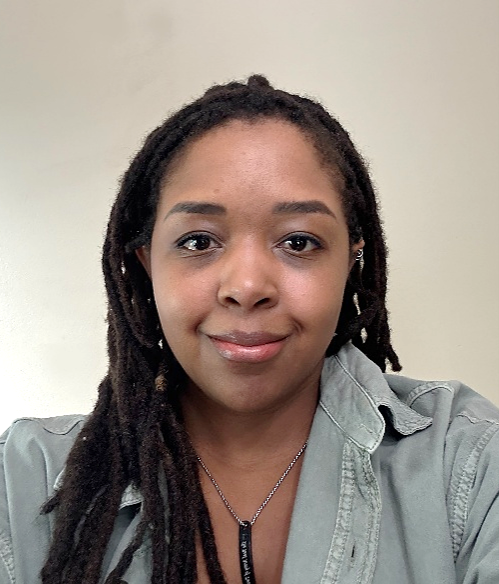
Stephanie Morris
In terms of doctoral clinical training, Stephanie has worked in a wide variety of psychological settings, with people of all ages (3yrs – 70yrs), as a counselor, therapist, or diagnostic psychology intern, including private group practices conducting diagnostic and neuropsychological evaluations and individual therapy, a therapeutic day school designed to provide additional support for children with behavioral needs, residential facility/group home for adults with intellectual disabilities, as well as two inpatient psychiatric hospitals, one unit dedicated to supporting kids (4-17yrs) with autism spectrum disorders, and the other unit devoted to adults (18-65yrs) presenting with Schizophrenia spectrum, Bipolar, and other psychotic disorders. Stephanie also has experience as a Registered Behavior Technician (RBT) conducting ABA therapy with children/adolescents on the autism spectrum, and their parents, in their own home environments.
Stephanie’s professional interests center on comprehensive diagnostic assessment, neuropsychological evaluation, and treatment planning for individuals across the lifespan. She is enthusiastic about supporting neurodivergent populations or those with neurodevelopmental disorders (particularly ADHD, ASD, Giftedness), intellectual disabilities, learning differences, as well as the mood and anxiety disorders which often accompany these conditions. Her theoretical orientation for therapy includes third wave CBT, ACT, DBT, and FAP.
Having witnessed the many sides and settings of psychiatric treatment available to the public, she has noted both the successes and the failures of current mental health systems; and although they continue to improve, many issues remain that we must overcome if we are to bring about more positive outcomes for patients and their families.
Stephanie is dedicated to using the internal knowledge she has gained working across inpatient/outpatient settings to improve patient care and experience. In addition, Stephanie believes in using assessment, not only as a diagnostic tool, but also as a means of empowering patients and their families with meaningful information that supports understanding and growth, clarity of diagnosis, tangible treatment planning and specific next steps, and improved quality of life.
In her free time, Stephanie enjoys taking walks with her Bernedoodle Luca, traveling, playing videogames, watching anime, bonfires with friends and their dogs in the backyard, and going on adventures to find, little-known but amazing, restaurants with her friends.